Canopy tree controls
A response to community concern — but does it solve the problem created by the Government’s own planning changes?
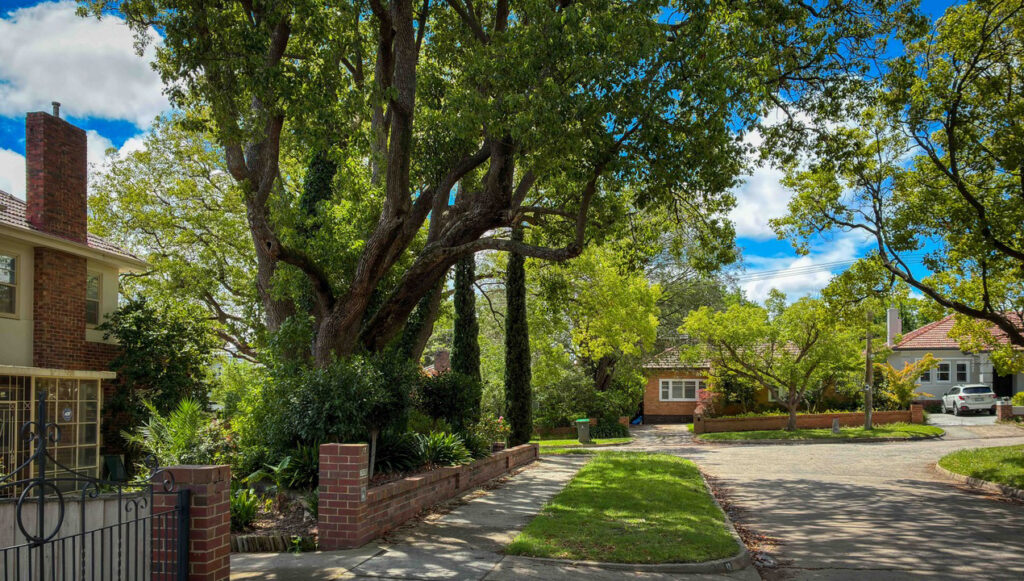
Following widespread criticism of the Townhouse and Low-Rise Code (VC267), which weakened vegetation and open space requirements and left just 10% canopy cover as its only vegetation requirement, the Government introduced new canopy tree controls through Clause 52.37 of the Victoria Planning Provisions. The Code contains no minimum landscaping requirement, meaning the required canopy cover may still be surrounded by buildings, driveways and other hard surfaces.
The controls apply across Victoria and introduce a planning permit requirement to remove, destroy or lop certain canopy trees in specified circumstances.
At a glance
- The new canopy tree controls require a planning permit to remove, destroy or lop certain canopy trees, but they do not prohibit tree removal and exemptions apply.
- The Townhouse and Low-Rise Code requires only 10% canopy cover and no minimum amount of landscaping, deep soil or garden space to support large trees over the long term.
- Protecting individual trees cannot protect Melbourne’s urban forest if broader planning reforms continue to reduce the gardens, deep soil and growing space needed for the next generation of canopy trees.
What is the purpose of the controls?
The controls are intended to help protect and enhance urban tree canopy by providing additional oversight of tree removal on private land. A canopy tree is generally defined as a tree capable of reaching a mature height of at least 8 metres and having a canopy width of at least 4 metres.
The new provisions do not prohibit tree removal. Rather, they introduce a permit process that requires decision-makers to consider the contribution a tree makes to neighbourhood character, environmental benefits, biodiversity, shade and urban cooling. A range of exemptions also apply, including circumstances involving safety risks, emergency works and other specified situations.
The new controls acknowledge the importance of trees. The question is whether they can succeed while the Government’s broader planning reforms continue to reduce the gardens and space those same trees need to survive.
While the new provisions may help protect some existing trees, councils and community groups argue that protecting today’s trees is only half the challenge. Long-term canopy depends on preserving the gardens, deep soil and permeable landscapes needed to grow the next generation of large trees.
A tree without a garden is a tree in decline. Protecting individual trees is not the same as protecting Melbourne’s urban forest.
What happens when existing trees and new buildings compete for the same space?
The introduction of canopy tree controls recognises the importance of protecting Melbourne’s urban forest. However, in many established suburbs, large canopy trees often occupy the very areas now available for larger building footprints under the Government’s new planning controls.
This creates a fundamental contradiction. If retaining an existing canopy tree would significantly reduce the development potential of a site, which objective is likely to take priority — protecting the tree or maximising redevelopment?
Clause 52.37 requires decision-makers to consider the value of existing trees, but it does not remove the competing pressure to maximise development potential. Until these provisions are tested over time, it remains uncertain how often significant canopy trees will be retained when they stand in the way of redevelopment.
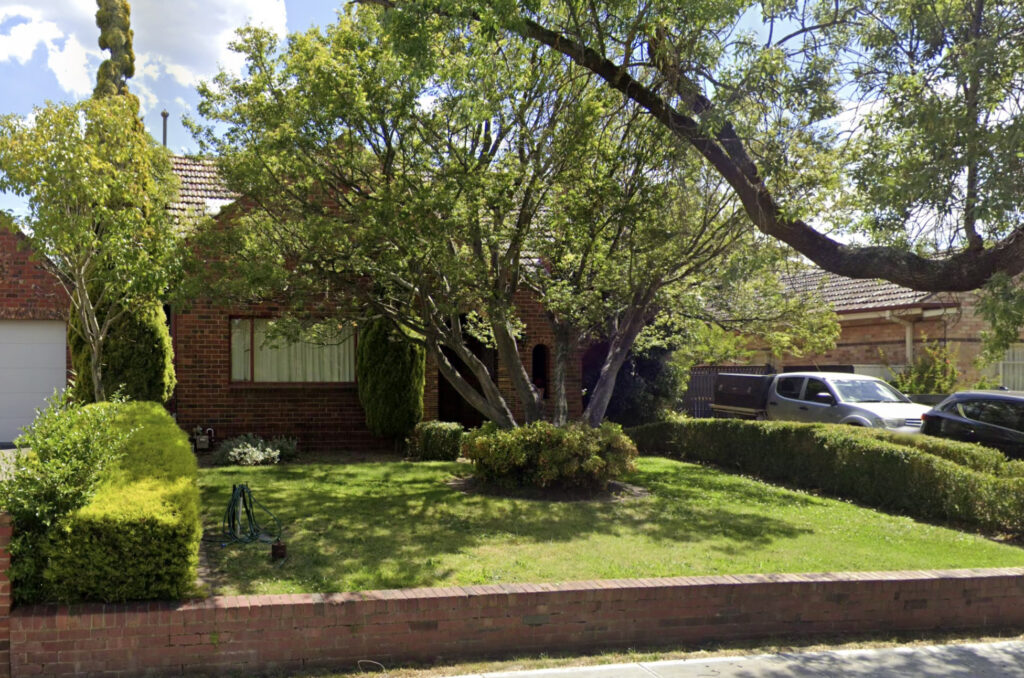
Even where an individual tree is retained, will there be sufficient space remaining on redeveloped sites to support the next generation of large canopy trees?
What this means for Melbourne
Urban tree canopy depends on more than simply protecting existing trees. Large canopy trees require sufficient space to grow, including deep soil, adequate setbacks and private gardens that can support healthy root systems over many decades.
At the same time as introducing new canopy tree controls, the Victorian Government has implemented planning reforms that allow larger building footprints, reduced setbacks and higher site coverage in many residential areas. These changes may reduce the space available for future canopy trees, even where existing trees are retained.
The real question is not whether existing trees deserve protection. It is whether Melbourne can maintain and expand its urban forest while planning reforms continue to reduce the space needed to grow it. Permit requirements may help protect some existing trees, but they cannot create the gardens, deep soil and growing conditions needed for the next generation.
Explore related topics
You may also be interested in:
- Concerns → Loss of gardens and tree canopy
Why protecting existing trees is essential but may not be enough if the gardens needed to grow future trees continue to disappear. - Concerns → Biodiversity loss
Explore how the loss of trees and gardens affects habitat, wildlife and ecological health. - Concerns → Urban heat and climate resilience
See why preserving tree canopy and vegetation is critical for cooling Melbourne and adapting to climate change. - Government plans → Townhouse and Low-Rise Code
See the planning changes that prompted the introduction of the new canopy tree controls.