
Loss of gardens and tree canopy
Tree canopy doesn’t happen by accident. It depends on the gardens, deep soil and space that allow mature trees to grow over decades. As redevelopment intensifies, Melbourne risks losing not just individual trees, but the landscape that makes its garden suburbs distinctive.
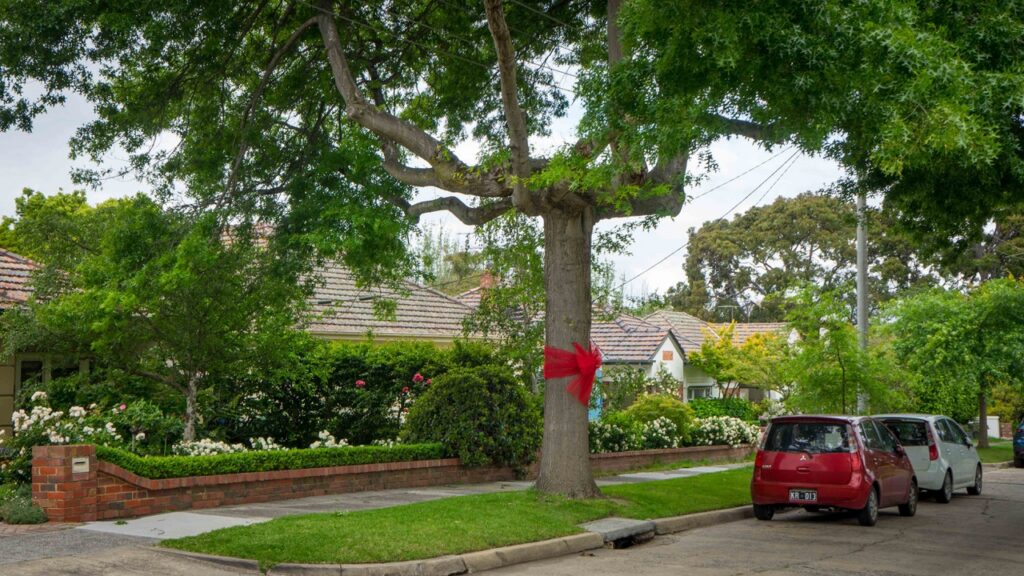
When people think about tree canopy, they often think about parks and street trees. In reality, the majority of Boroondara’s vegetation grows on private residential land.
Front gardens, backyards, mature trees and lawns together form an extensive green network that contributes to the municipality’s distinctive leafy character, liveability and environmental quality.
The trees that define Melbourne’s garden suburbs were not planted yesterday. Many have taken decades to reach maturity, and many will outlive the people who planted them.
Across Victoria’s new planning framework, higher-density zoning, reduced setbacks and standardised building controls reduce the space available for gardens, deep soil and mature trees.
Over time, these changes have the potential to fundamentally alter the landscape that defines Melbourne’s garden suburbs.
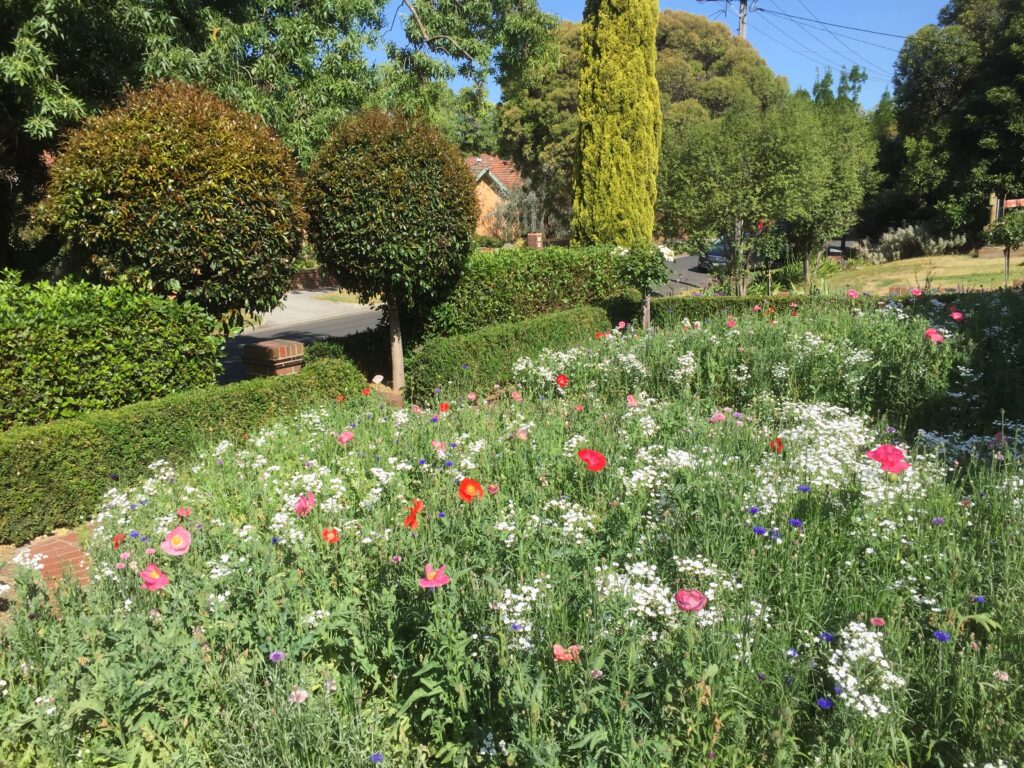
At a glance
- Most of Boroondara’s trees and vegetation is on private residential land, not in parks or along streets.
- Reduced setbacks, larger building footprints and increased site coverage leave less space for gardens, deep soil and mature trees.
- Tree canopy depends on more than planting targets. It requires the space and soil needed for trees to grow over many decades.
- The gradual loss of gardens changes more than neighbourhood appearance. It affects biodiversity, urban cooling, stormwater, shade and liveability.
- While a single redevelopment may have only a modest impact, the cumulative effect across thousands of properties can fundamentally transform Melbourne’s garden suburbs.
Gardens are more than private spaces
Although privately owned, gardens collectively provide important benefits that extend well beyond individual properties.
Together they shape neighbourhood character, provide the space needed for mature trees to thrive, support stormwater infiltration, help filter air pollution and reduce noise, create places for recreation and outdoor living, and contribute to the quality of suburban life.
Collectively, they form one of Boroondara’s defining landscape features, benefiting both people and nature.
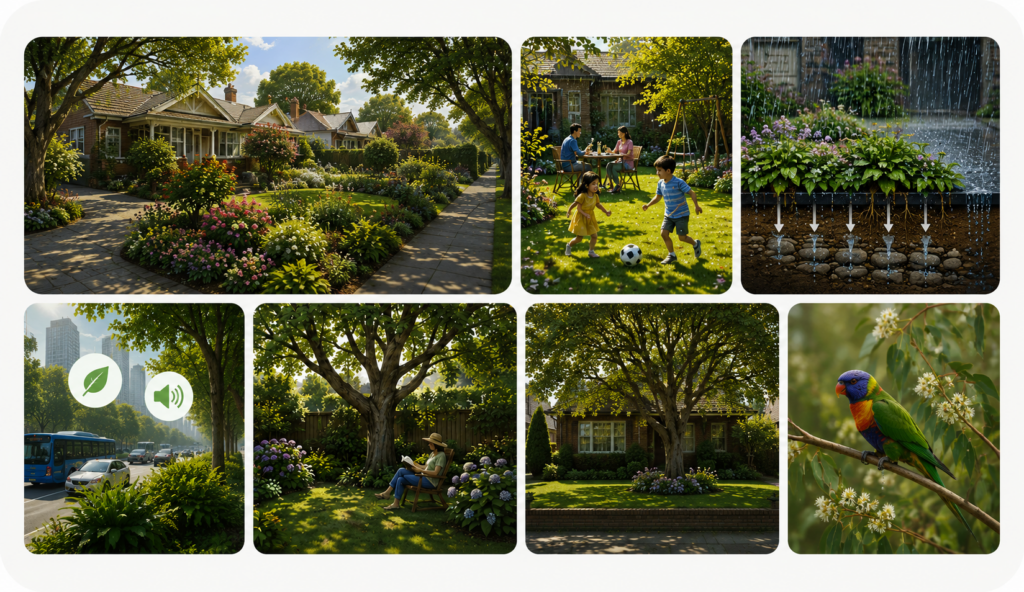
Gardens do not need to be award-winning landscapes to matter.
Whether they contain a simple lawn, a vegetable garden, mature trees, flowering plants or a place for children to play, all gardens contribute to the character and environmental quality of a neighbourhood.
Every garden is different, but together they create the leafy character that makes Boroondara’s garden suburbs distinctive.
The contribution of gardens to urban cooling and climate resilience is discussed in Concerns → Urban Heat and Climate Resilience, while their role in supporting wildlife and ecological systems is explored in Concerns → Biodiversity loss.
Trees need space to grow
Mature canopy trees cannot simply be planted into small garden beds, planter boxes or narrow strips of landscaping around the boundaries of buildings. They require sufficient deep soil, room for roots to spread, access to water and sunlight, and decades to establish and mature.
Large canopy trees often require much more than a planting hole or narrow strip of soil.
Their root systems typically extend to, and often well beyond, the spread of their canopy. This means they need both sufficient soil depth and a broad, connected area of soil in which to grow.
Gardens provide these conditions.
Trees cannot grow to maturity in narrow planting strips or small planter boxes. They need deep, connected soil, appropriate space for canopy and decades to establish.
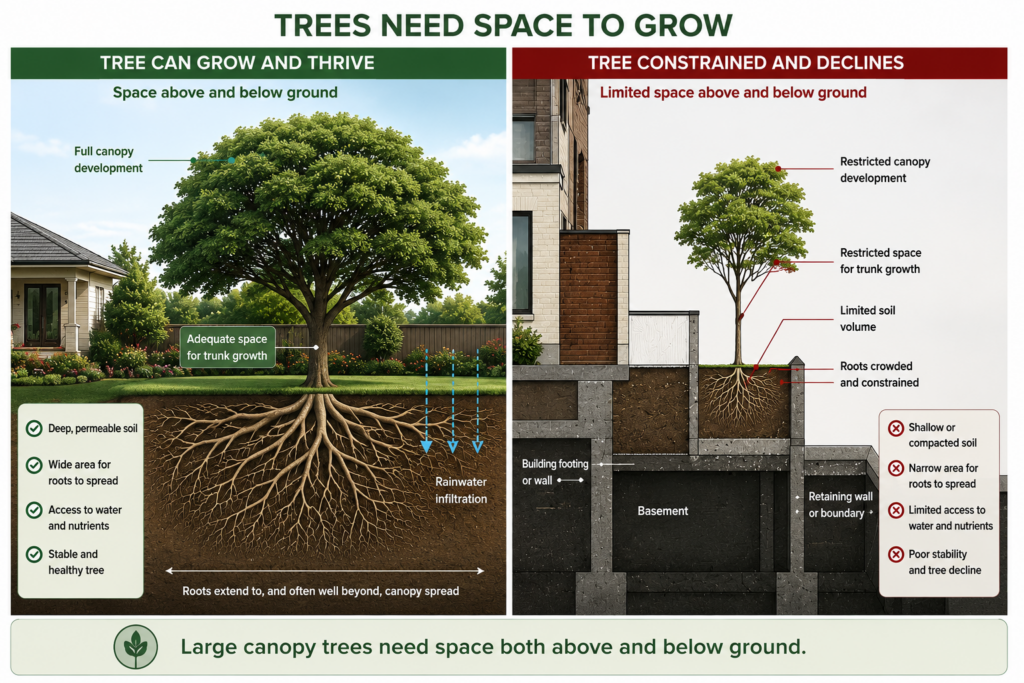
As residential lots become more intensively developed, opportunities to retain mature trees and establish new ones become increasingly limited.
Once sufficient space is lost through reduced setbacks, increased site coverage and fragmented soil areas, the long-term ability to support meaningful tree canopy is fundamentally reduced.
Planning controls such as setbacks, site coverage and deep soil requirements therefore play an important role in determining whether future neighbourhoods can continue to support meaningful tree canopy and gardens.
Smaller setbacks and higher site coverage
The large trees and gardens that define Boroondara’s suburbs have historically been supported by relatively low site coverage and generous, continuous garden areas.
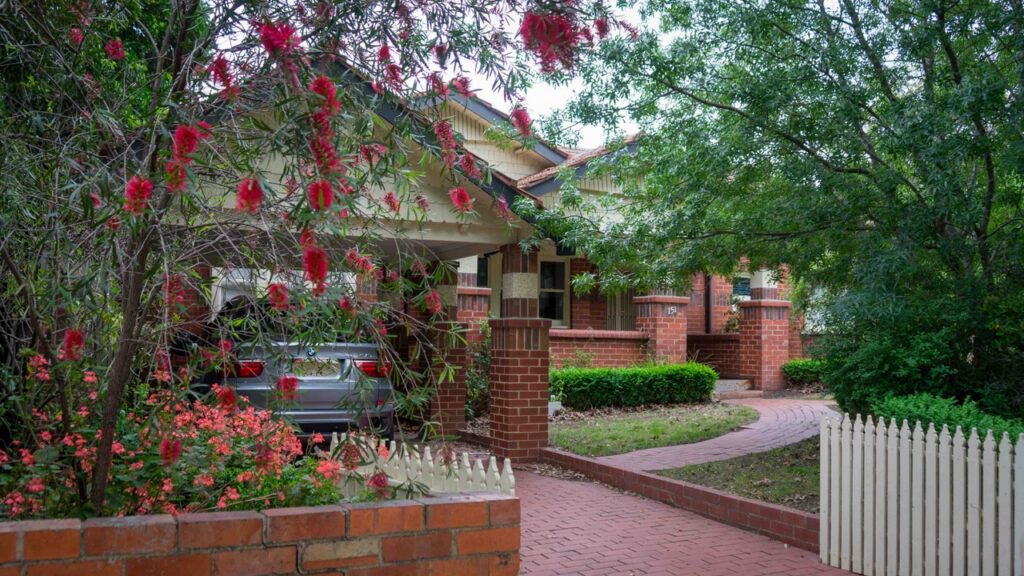
The new Townhouse and Low-Rise Code and Mid-Rise Code reduce the amount of space available for gardens and mature canopy trees by allowing buildings, driveways and other hard surfaces to occupy a greater proportion of each residential lot.
Reduced setbacks bring buildings closer to property boundaries, while higher site coverage allows larger building footprints.
Together, these changes leave less room for gardens, deep soil and the broad, connected planting areas needed to retain existing trees and establish new ones.
As development becomes more intensive:
- Front gardens become smaller.
- Side and rear planting areas become more constrained.
- Mature trees are more likely to be removed during redevelopment.
- Deep soil root zones for large canopy trees become increasingly restricted.
- Shrubs and understorey planting is lost.
- Remaining gardens become fragmented into narrow planting strips and isolated landscaped areas.
Under the new Townhouse and Low-Rise Code and the Mid-Rise Code there is simply not enough space remaining on a typical residential lot to support the mature tree canopy and gardens that have traditionally characterised Boroondara’s suburbs.
While landscaping may still be provided, narrow garden beds, planter boxes and small planting areas cannot replicate the generous garden spaces that have traditionally supported Boroondara’s mature canopy.
Also see: Government plans → Canopy tree controls.
Tree canopy requires more than targets
While tree planting is still encouraged in principle, the practical ability to retain existing canopy trees and establish new ones together with meaningful gardens on private land is being significantly reduced.
There is concern that a strong focus on canopy targets alone can overlook the broader landscape conditions required for healthy, mature trees and gardens to survive and thrive.
A fundamental contradiction
The planning changes create a fundamental contradiction. They seek to increase tree canopy while simultaneously reducing the conditions needed for canopy trees to grow.
This contradiction has implications not only for neighbourhood character, but also for urban cooling and long-term climate resilience.
Tree canopy targets can encourage the planting of new trees, but they do not guarantee those trees will survive or mature.
Without sufficient space, deep soil and connected garden areas, replacement planting cannot provide the environmental, landscape and neighbourhood benefits of the mature canopy it replaces.
Ultimately, protecting tree canopy requires more than planting targets. It requires planning controls that preserve the space needed for large canopy trees to grow and mature over many decades.
The cumulative impact of redevelopment
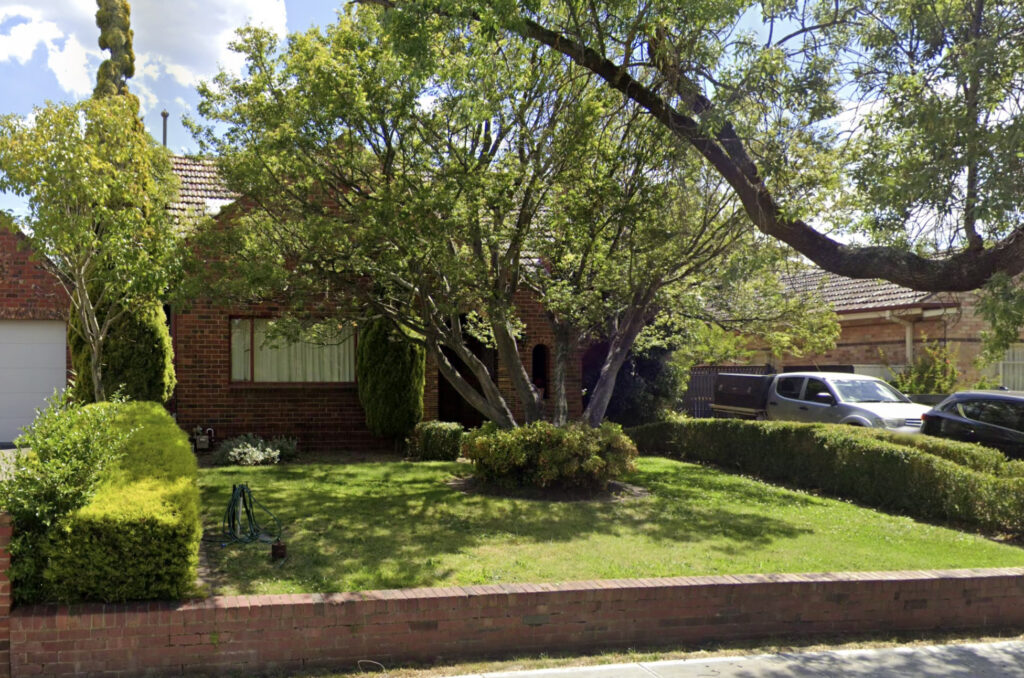
The impact of a single redevelopment may appear modest.
One mature tree may be removed, a front garden reduced or a larger building constructed on a single lot. Viewed in isolation, these changes can seem relatively minor.
The cumulative effect is often difficult to appreciate because it occurs gradually over many years.
Yet once redevelopment has occurred across thousands of properties, it can fundamentally reshape Melbourne’s established garden suburbs.
Because mature trees take many decades to establish, these changes cannot be quickly reversed. Once established gardens are lost, the landscape character they create may be difficult, or in many cases impossible, to restore.
As redevelopment accumulates, the combined loss of mature trees, gardens and permeable ground can gradually alter neighbourhood character, reduce shade, increase hard surfaces and diminish biodiversity and climate resilience.
These cumulative impacts extend well beyond individual properties and are explored further in Concerns → Heritage and neighbourhood character, → Urban heat and climate resilience, and → Biodiversity Loss.
What this means for Melbourne
The current planning reforms enable more intensive development on residential land but do not ensure that the space needed for mature trees and meaningful gardens is retained.
Without stronger requirements and sufficient space for mature vegetation, Melbourne risks:
- A gradual but widespread loss of suburban tree cover and garden space.
- Hotter, less shaded neighbourhoods.
- Reduced biodiversity, environmental resilience and liveability.
- Increased dominance of hard surfaces and built form in residential areas.
Once mature trees and established gardens are lost, they cannot be quickly or easily replaced making protection at the point of redevelopment critical.
Protecting gardens is about more than protecting individual trees.
It is about retaining the landscape conditions that allow mature vegetation, healthy neighbourhoods and garden suburbs to endure for future generations.
Explore related topics
These planning issues are closely connected. You may also be interested in:
- Concerns → Urban heat and climate resilience
Why mature trees and gardens are essential for cooler, more climate-resilient neighbourhoods. - Concerns → Biodiversity loss
Why private gardens are essential habitat for birds, insects and other wildlife. - Concerns → Heritage and neighbourhood character
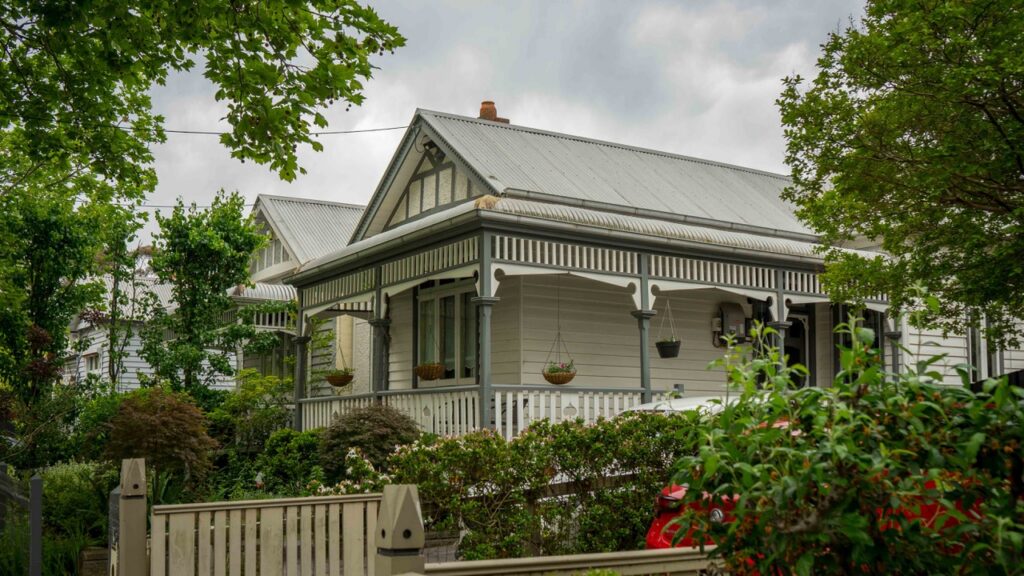
How gardens, mature trees and landscape settings shape neighbourhood character. - Government plans → Canopy tree controls
How the planning reforms reduce the space needed for mature canopy trees to survive.