
Loss of protection for solar access
Victorians have invested billions of dollars in rooftop solar to reduce electricity costs and support the transition to renewable energy. Yet under the Mid-Rise Code, protecting existing solar panels is no longer an explicit planning requirement in activity centre catchments and other growth areas. If Government policy deliberately reduces the performance of an existing rooftop solar system, should individual households be expected to bear the financial cost?
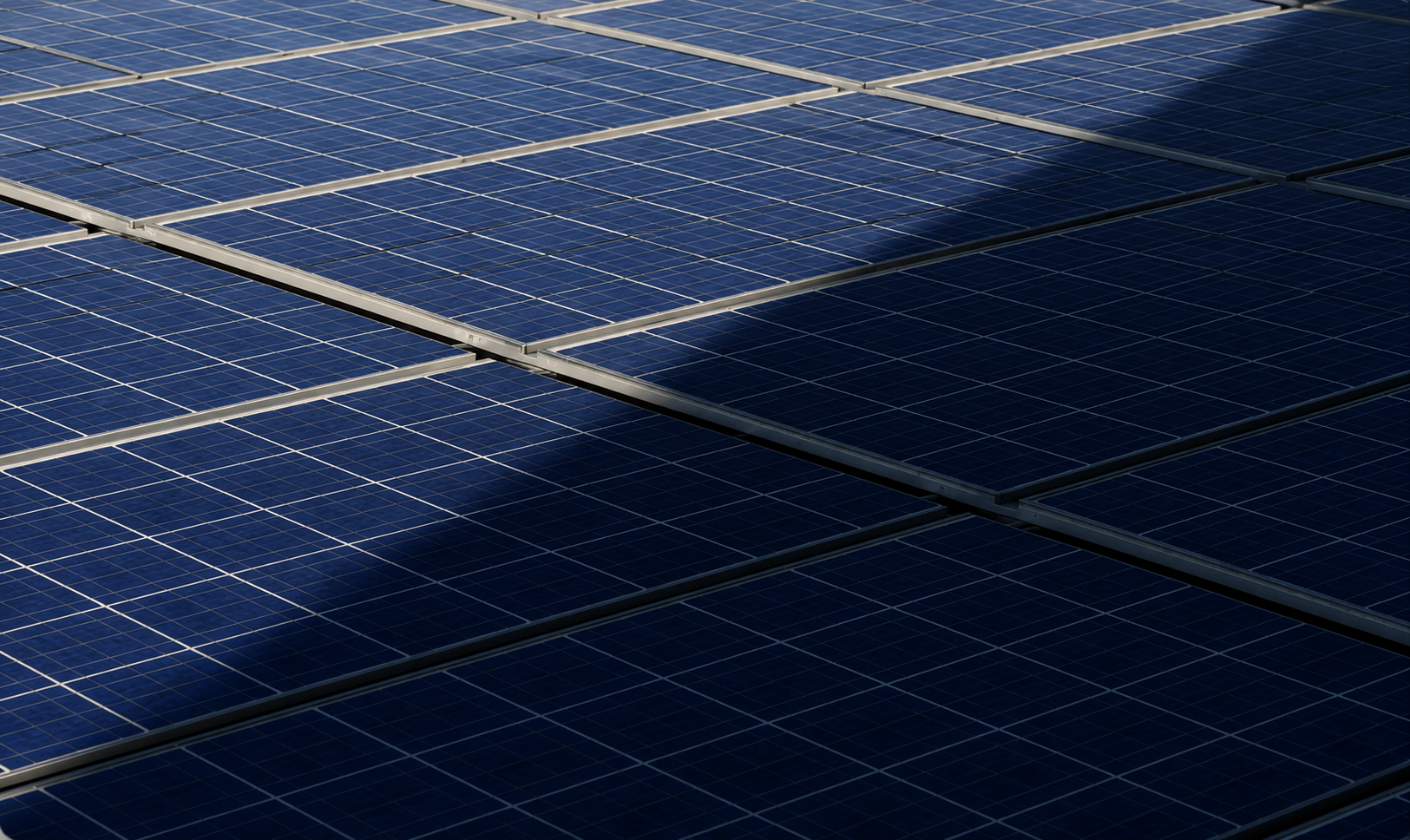
People who did the right thing shouldn’t be left carrying the cost.
Under the Mid-Rise Code, there are no explicit requirements in most redevelopment areas to protect existing rooftop solar systems from overshadowing.
The Department of Transport and Planning explained that protecting existing rooftop solar systems could “prejudice or sterilise” the delivery of additional housing within activity centre catchments. (Webinar transcript)
At a glance
- The Mid-Rise Code does not contain explicit requirements to protect neighbouring rooftop solar systems in most redevelopment areas.
- The Department of Transport and Planning has stated this was a deliberate policy decision to avoid limiting housing capacity.
- If overshadowing reduces the performance of an existing solar system, there is currently no compensation scheme for affected households.
Protecting household investment in rooftop solar
The performance of rooftop solar systems depends on continued access to direct sunlight. As surrounding neighbourhoods redevelop, overshadowing from taller buildings can significantly reduce electricity generation and the financial return on that investment.
Under the new planning framework, however, the Mid-Rise Code and the Townhouse and Low-Rise Code take different approaches to solar access.
Under streamlined assessment frameworks:
- Impacts on neighbouring solar panels may not be fully assessed.
- Overshadowing from new developments may not be a determining factor.
- Existing systems may lose efficiency due to increased shading.
This can reduce electricity generation, extend the time required for households to recover the cost of their investment, and undermine broader renewable energy objectives.
Mid-Rise Code (Clause 57)
The Mid-Rise Code is the new planning Code designed to facilitate 4–6 storey apartment development, including within activity centre catchments.
During a technical briefing on the Mid-Rise Code, the Department of Transport and Planning explained that, in areas identified for mid-rise redevelopment, there are “not explicit requirements in most cases to consider solar panel overshadowing.”
This is a deliberate policy decision. The Department considered that requiring new developments to protect existing rooftop solar systems could “prejudice or sterilise the ability to provide that additional housing.”
(View presentation)
In other words, within designated redevelopment areas, including activity centre catchments, the Government has chosen to give greater priority to facilitating additional housing over explicitly protecting the performance of existing rooftop solar systems.
For more information see: Government plans → Mid-Rise Code
Townhouse and Low-Rise Code (Clause 55)
The Townhouse and Low-Rise Code is the new statewide planning Code for residential developments of up to three storeys, including townhouses and apartment buildings.
The Townhouse and Low-Rise Code takes a different approach to the Mid-Rise Code and includes provisions relating to solar access. However, the interaction between these provisions and the new planning framework is complex and has been interpreted differently in various Departmental materials.
Compensation
There is currently no compensation scheme for households whose rooftop solar systems lose performance because of overshadowing from new development.
The Victorian Greens have proposed compensation for households whose rooftop solar systems are significantly overshadowed by new development. At the same time, they opposed the parliamentary disallowance motion that sought to overturn the Mid-Rise Code.
Compensation may help offset some financial loss, but it cannot restore the electricity generation, environmental benefits or long-term value of the original investment. Nor does it prevent the overshadowing from occurring in the first place.
People who invested in rooftop solar in good faith should not be expected to bear the cost of a planning policy designed to facilitate additional housing.
Why this matters
Rooftop solar is a long-term household investment.
If new planning rules allow neighbouring development to significantly reduce the performance of those systems, it is individual households — not the developer or the Government — that bear the financial consequences.
Reduced electricity generation, longer payback periods and diminished investment value all become costs borne by the household that acted in good faith.
Housing growth and renewable energy are both important public priorities. Good planning should seek to achieve both rather than requiring households to bear the cost of one in order to deliver the other.
Explore related topics
These planning issues are closely connected. You may also be interested in:
- Concerns → Privacy, overshadowing and amenity
How taller buildings and reduced setbacks change privacy, sunlight and the everyday experience of living in your home. - Concerns → Urban heat and climate resilience
How mature trees, gardens and renewable energy all contribute to Melbourne’s climate resilience. - Government plans → Mid-Rise Code
Explore the Code’s approach to overshadowing and solar access.